
Gentle discipline tips and emotional regulation tools for calmer days
It Starts with Big Feelings
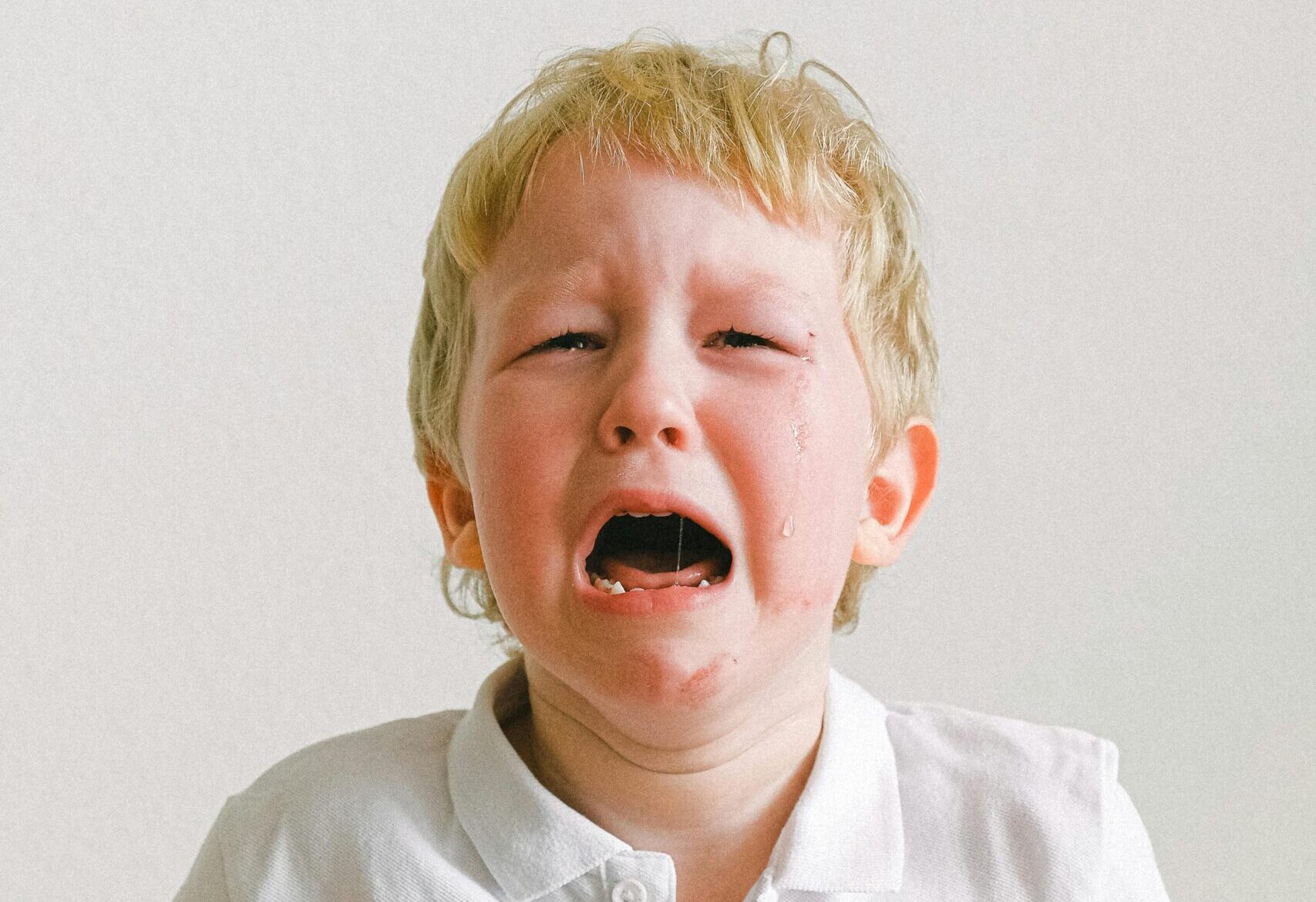
Your toddler throws themselves on the floor over the wrong color cup. Sound familiar? Toddler tantrums can feel dramatic and sudden—but they’re actually a normal part of development. Your little one is learning to manage emotions, and tantrums are often their way of saying “I’m overwhelmed!”
The good news? With the right tools, you can help guide them through the storm gently.
Common Tantrum Triggers
Understanding what sparks a tantrum can help prevent them. Some of the most common causes include:
- Overstimulation: Too much noise, light, or activity can overwhelm your baby.
When toddlers are both hungry and tired, things can go downhill fast. Tantrums, tears, and total refusal to eat or nap? Yep, all part of the package. It’s hard for little ones to manage big feelings when their bodies need rest and food. Recognizing this tricky combo can help you respond with patience—sometimes a snack first, or a little quiet time, is all they need to reset.
- Frustration: Wanting Independence, But Still Learning
Toddlers are eager to do things all by themselves—whether it’s putting on shoes, pouring water, or choosing their clothes. But sometimes, their motor skills or communication just haven’t caught up yet. That gap between what they want to do and what they can do often leads to big feelings, outbursts, or refusal to accept help. Supporting their independence while gently stepping in when needed can make all the difference. A little patience and encouragement go a long way during these growing-up moments.
- Lack of Control: Toddlers Crave Autonomy
One of the biggest triggers for toddler meltdowns? Feeling like they have no say. At this age, kids are discovering their independence and really want to make their own choices—but the world around them often says “no.” This can lead to power struggles, tears, and defiance.
The fix? Offer simple choices. “Do you want the red cup or the blue one?” “Would you like to brush teeth first or put on pajamas?” These small decisions give toddlers a sense of control, reduce frustration, and help them feel more confident and respected.
- Watch for Patterns: Tantrums Might Be Telling You Something
If your toddler melts down around the same time every day, it’s not just a coincidence—it’s a clue. Regular tantrums might signal an unmet need, like hunger, fatigue, or overstimulation. Maybe they need a snack before dinner, a wind-down routine before nap time, or a break from noisy activity.
By noticing these patterns, you can get ahead of the chaos and meet their needs before the big emotions hit. A little observation can go a long way in creating smoother days for both of you.
Gentle Ways to Respond
When a tantrum strikes, staying calm is key. Try these gentle responses:
💗 Validate their feelings:
“Wow, you’re really upset! I see you.” This helps your child feel seen, even when you can’t fix the problem right away.
🛑 Stay calm yourself:
They’re looking to you for emotional regulation. If you stay steady, they’ll learn how to do the same.
🎯 Offer limited choices:
“You can wear the red shirt or the blue one.” Giving control over small things prevents bigger power struggles.
🐢 Get low and soft:
Instead of towering over them or raising your voice, get on their level. Speak softly. It helps regulate their nervous system.
🧸 Use connection before correction:
Hugs, eye contact, and empathy go a long way before redirecting behavior.
Helping Toddlers Learn Emotional Regulation
You can’t avoid every tantrum—but you can teach your child healthy ways to cope. Over time, this builds emotional intelligence.
Try these tools regularly:
Name the emotion: “You’re mad because your block tower fell.”
Model calm behavior: Deep breaths, counting to 5, or saying “I need a minute.”
Use books and stories: Read books about feelings together.
Practice with play: Use dolls, animals, or puppets to role-play feelings and solutions.
🌈 Free Printable: “Feelings Chart for Toddlers“
To help you and your toddler talk about emotions, I’ve created a sweet, pastel-colored printable feelings chart featuring simple facial expressions and emotion words like happy, sad, mad, excited, and tired.
You can hang it on the wall or keep it near your calm-down corner. It’s a gentle way to help your child name it so they can tame it.
Download Your Free Toddler Feelings Chart Here!
https://momsinmotion.in/wp-content/uploads/2025/04/feeling-chart.pdf
Leave a Reply